Minister of Finance Ahmed Kouchouk said emerging markets are looking for a fairer global financing environment that better supports investment and economic growth, stressing the need for coordinated international efforts to build a global financial architecture that is more responsive to the needs of developing economies and more effectively aligned with sustainable development goals.
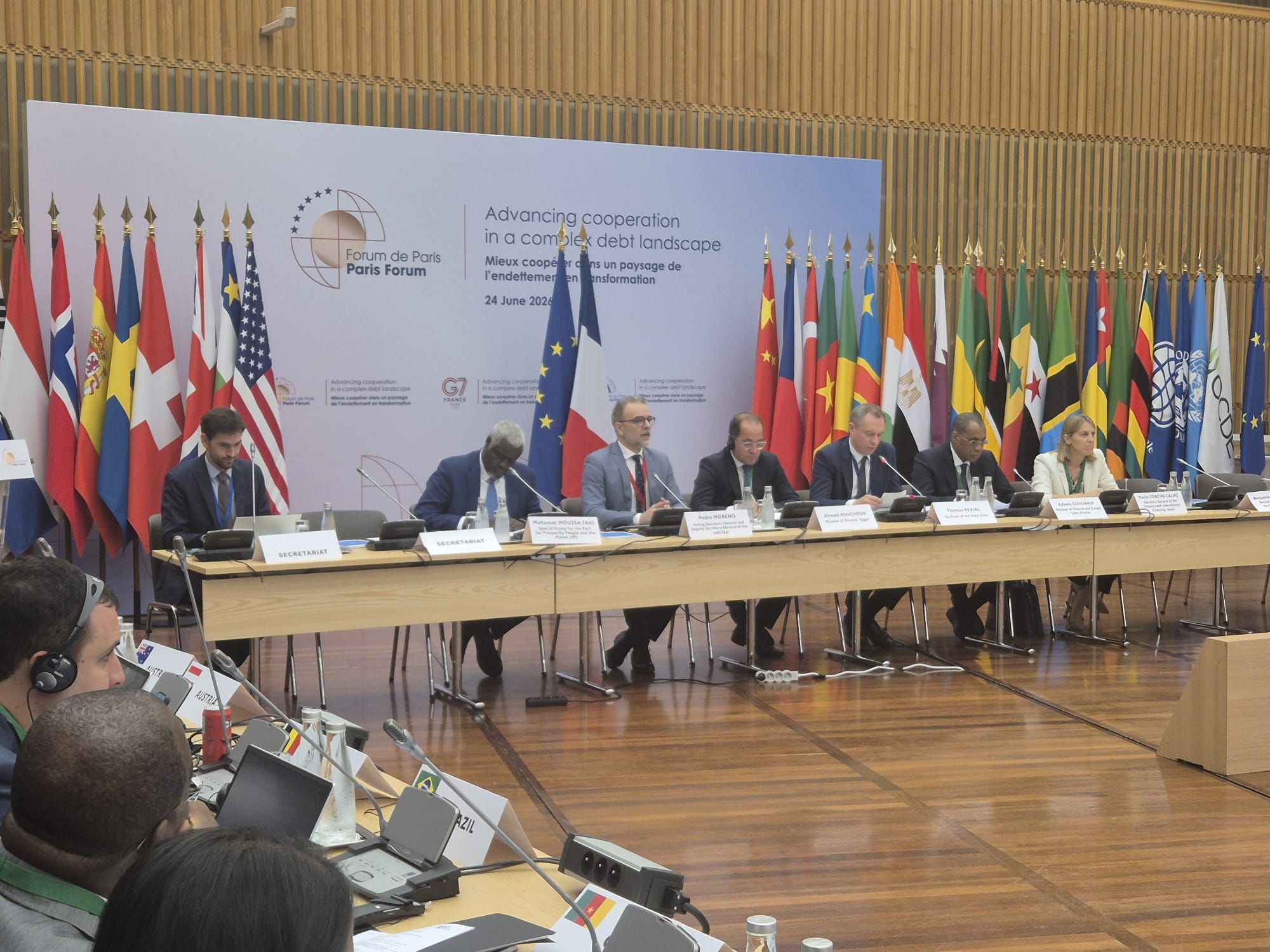
Speaking at the Paris Forum, Kouchouk said Egypt is implementing a comprehensive and balanced strategy to improve all key public budget debt indicators and reduce fiscal risks. He emphasized that sustaining economic growth while maintaining fiscal discipline is essential to ensuring a continued decline in public debt for the benefit of future generations.
The Minister noted that the private sector has responded positively to the government's reform agenda, increasing its investments by 73 percent over the past year and continuing to post strong growth this year. He added that the government remains committed to directing any exceptional revenues exclusively toward reducing debt and improving public debt indicators.
Kouchouk also highlighted the importance of expanding innovative financing instruments, including debt-for-investment swaps, debt swaps, and other innovative financing mechanisms, to create additional fiscal space. He explained that these resources would be directed toward greater investment in human development and expanded social protection programs that directly benefit citizens.
The Minister pointed out that Egypt has reduced the debt of the budget sector by 13 percent over the past two years, while debt levels across emerging markets increased by 6 percent during the same period. He added that the external debt of the budget sector declined by approximately US$4 billion over the past two years, including about US$1.5 billion during the current fiscal year, affirming that the government remains committed to this path.
Kouchouk concluded by reiterating the government's target of reducing the budget sector debt-to-GDP ratio to 78 percent by June 2027 and to 70 percent over the medium term.

 Next article