Arab Republic of EgyptSunday, 18 October 2026
Need Help?
Our team is ready to assist you with all your financial and administrative inquiries
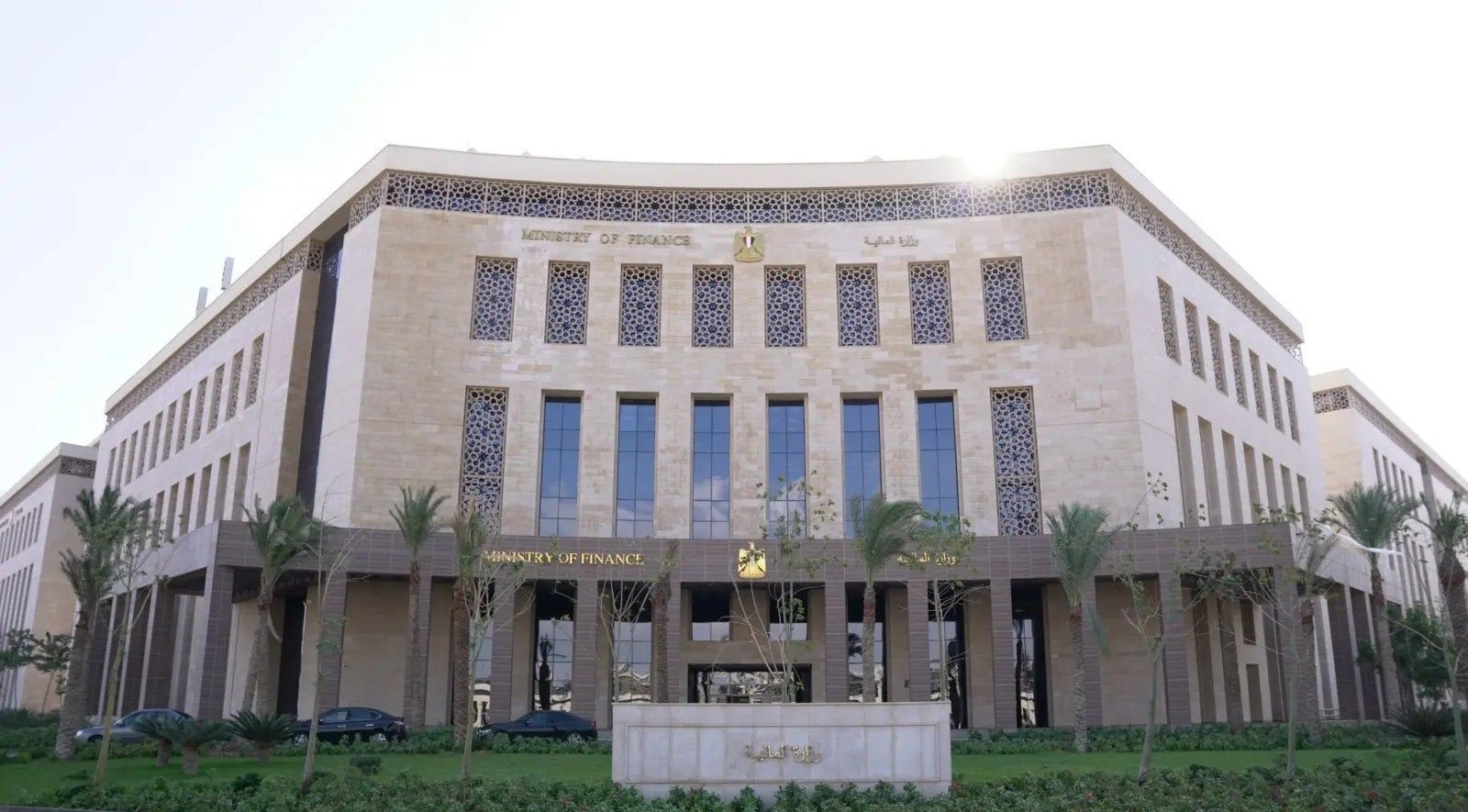
Learn more about the Ministry of Finance
MOF Objectives
Presidential Decree No. 557 of 1977 was issued to reorganize the Ministry of Finance (MoF). Article 1 sets out the Ministry’s objective as follows:
“The Ministry of Finance aims to formulate and develop Egypt’s fiscal policies and plans, coordinate budgets, rationalize and control government spending, develop tax revenues and improve tax systems in a manner that achieves economic and social objectives.”
MOF Mandates
The MoF’s mandates are based on the following four main pillars:
• The political role.
• The supervisory role.
• The legislative role.
• The executive role.
First: The Political Role
Proposing and developing the overall fiscal policy to ensure the achievement of the objectives of the economic and social development plan, and participating in formulating the general monetary policy, in coordination with the relevant authorities, to ensure its consistency with fiscal policy.
Developing financial plans and programmes to ensure the achievement of national objectives.
Preparing draft state budgets within the framework of the state’s general plan and submitting them to the relevant authorities.
Second: The Supervisory Role
Supervising the implementation of the state’s general budget following its approval, and subsequently monitoring and evaluating the results to ensure the achievement of the objectives of the state’s general plan.
Exercising control, monitoring and technical supervision over financial and accounting entities in accordance with the applicable laws and regulations.
Planning and monitoring procurement and sales transactions carried out by state administrative bodies and public authorities.
Third: The Legislative Role
Reviewing and developing financial legislation, and providing opinions on draft legislation prepared by other ministries that may impose additional financial burdens on the state treasury.
Conducting studies and research on fiscal policies in light of domestic and international financial and economic developments, and reviewing the necessary legislative reform plans.
Participating, in coordination with the relevant authorities, in reviewing all international agreements relating to grants and loans.
Conducting the necessary legislative studies, in cooperation with the relevant authorities, to link the state’s general plan with financing plans denominated in local and foreign currencies.
Fourth: The Executive Role
Managing financial resources and mobilising surplus revenues, general reserves, financing funds, and the funds of insurance and investment entities, as well as domestic and foreign loans and other available sources of funding. In coordination with the Ministry of Planning, participating in organising the use of public resources to finance economic and social development plans and programmes and support the state’s overall resource framework.
Assessing, identifying, monitoring and collecting public revenues and other public resources, and carrying out all collection tasks assigned to the Ministry’s relevant entities
Performing the functions related to the management of the public treasury.
Managing and liquidating funds transferred to the state pursuant to nationalisation and receivership laws or in accordance with rulings issued by the Court of Values.