
Following Parliament's Approval of the New Budget, Finance Minister Says Fiscal Policies Will Strengthen Economic Stability, Support Citizens, and Drive Private Sector-Led Growth
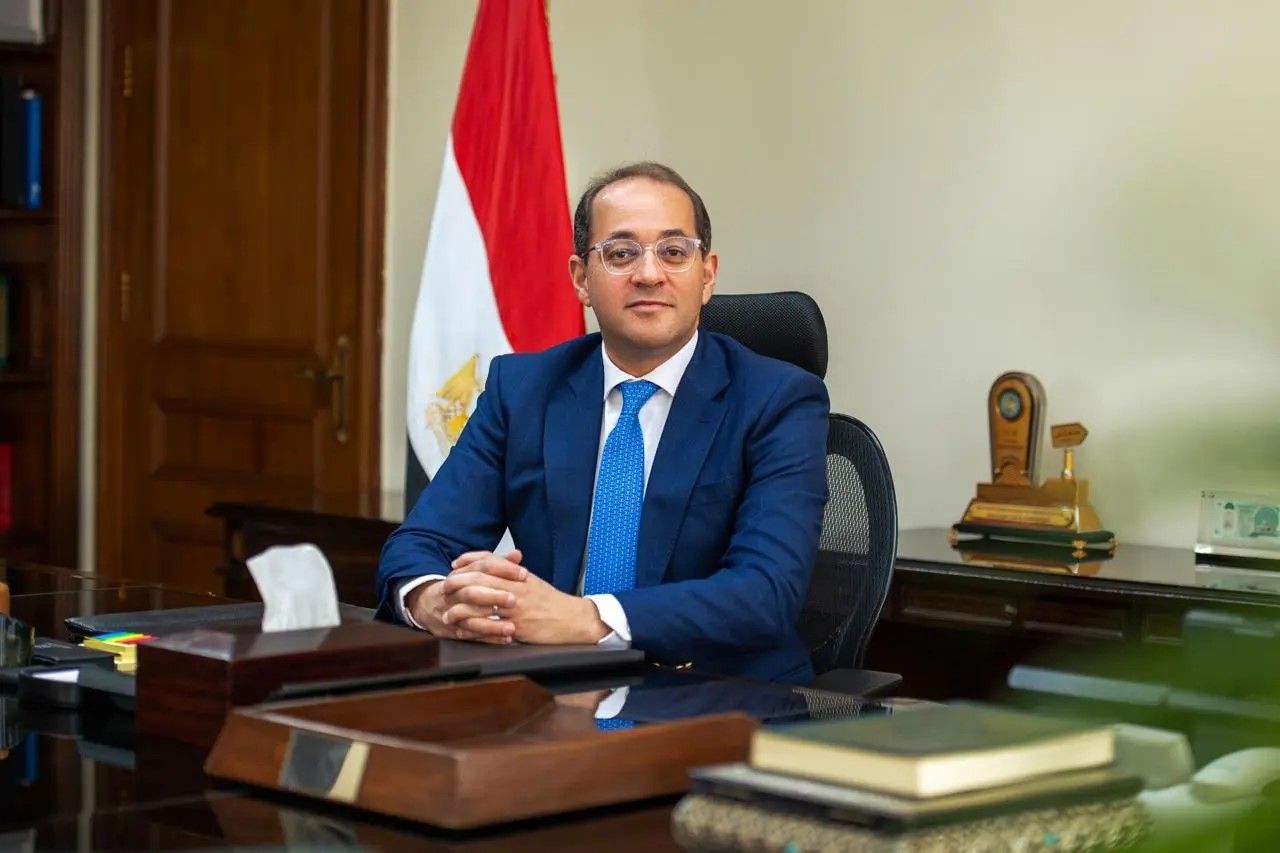
Minister of Finance Ahmed Kouchouk said Egypt's fiscal policies and budget priorities are designed to strengthen macroeconomic stability, stimulate production and exports, and provide greater support to citizens, emphasizing that every citizen contributes to the state budget, directly or indirectly, and should see that contribution reflected in improved public services.
The remarks came following the House of Representatives' approval of the FY2026/2027 state budget, as the Minister expressed his appreciation to all partners who contributed to the public dialogue and helped shape an ambitious and balanced budget that serves the interests of the country, the economy, and its people. He also praised the constructive discussions and valuable observations made by members of Parliament, noting that they reflected citizens' priorities and aspirations and contributed to making the budget more supportive of economic growth and more responsive to people's needs.
Kouchouk said the government is working to increase state revenues while maintaining prudent fiscal management. The FY2026/2027 budget targets revenues of EGP 4.1 trillion, representing annual growth of 32 percent, while total expenditures are projected at EGP 5.2 trillion, up 13 percent from the previous fiscal year.
The Minister stressed that the government remains committed to managing public finances with a high degree of prudence by maintaining adequate fiscal buffers to address potential risks while ensuring the financing of citizens' essential needs and directing public spending toward more efficient programs and initiatives that deliver tangible improvements in public services.
He affirmed that health, education, and social protection will remain the government's top priorities in the coming years. The new budget increases allocations for the health sector by 30 percent and education by 20 percent to strengthen investment in human development. It also allocates EGP 90.5 billion to the Unified Procurement Authority to support the provision of medicines and medical supplies, EGP 7.8 billion for printing pre-university textbooks, and EGP 7 billion for school nutrition programs.
Kouchouk added that EGP 822.8 billion has been allocated for public sector wages, with July salaries to be paid under the new salary increases. He noted that allocations for subsidies and social protection have risen to EGP 836.8 billion, an annual increase of 13 percent, with greater focus on better-targeted support for the most vulnerable groups. This includes EGP 178.3 billion for food subsidies and EGP 55.3 billion for the Takaful and Karama cash transfer program, social security, the Child Allowance, and rural women support programs.
The Minister also highlighted allocations of EGP 120 billion to support the energy sector, address outstanding financial obligations, and ensure the continued delivery of reliable services, alongside EGP 13 billion for affordable housing for low- and middle-income families and EGP 4.3 billion for the development of informal areas. In addition, EGP 69.1 billion has been allocated to finance the purchase of locally produced wheat following the increase in the procurement price to EGP 2,500 per ardeb during the current season.
Kouchouk reaffirmed the government's commitment to deepening its partnership with the private sector and continuing to simplify procedures for investors and citizens through the implementation of tax, real estate tax, and customs facilitation packages. The new budget allocates EGP 80 billion to programs supporting production, manufacturing, entrepreneurship, and merchandise and services exports, including EGP 48 billion for export rebate programs, EGP 6.7 billion to support the tourism sector, and EGP 6 billion in concessional financing for productive sectors.
The Minister concluded by reaffirming the government's fiscal targets, including achieving a record primary surplus of 5 percent of GDP, reducing the overall fiscal deficit to 4.9 percent of GDP, lowering the budget sector debt-to-GDP ratio to 78 percent by June 2027, reducing external debt by US$1–2 billion annually, cutting the government's financing needs to around 10 percent of GDP over the medium term, and reducing debt service costs to approximately 35 percent of total budget expenditures.
- وزير الملية
 Next article