
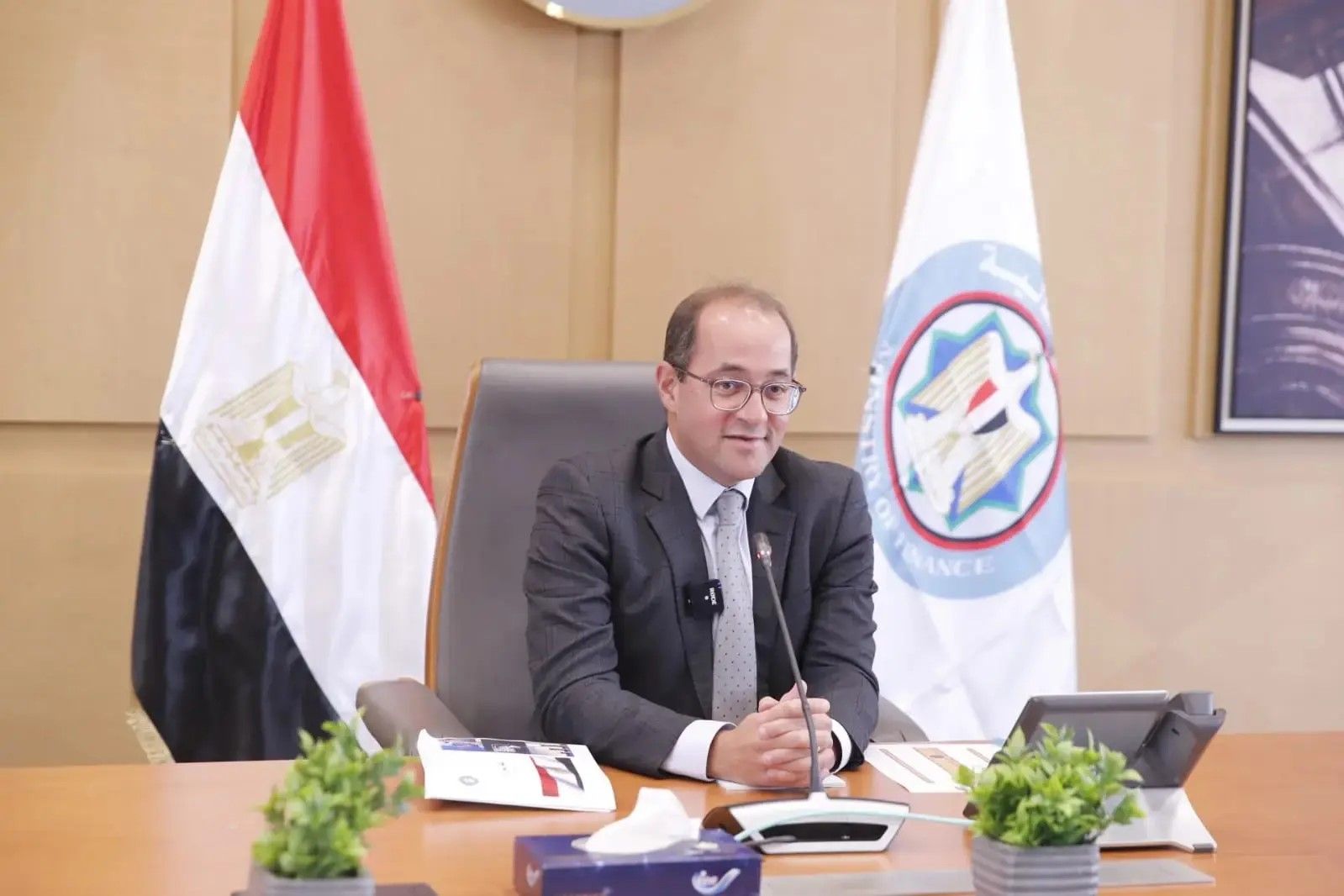
In the eleventh edition of "Citizen Budget", Minister of Finance: "We work in every direction to improve people's lives”
We are aware of the burdens of living on the Egyptian family, and we work in every way to contain the difficult effects of economic reforms.
“Citizen Budget” presents the economic, development and social priorities during this year.
We are keen to lay the foundations for effective communication with various segments of society "together, we produce and evolve”
Promote more targeted social protection policies, programs and initiatives for those eligible for subsides to dampen inflation.
Raising the efficiency of public spending in accordance with the priorities of citizens. Ensuring the fair distribution of opportunities and fruits of development and the development of the quality of services.
Driving efforts to expand the most impactful human development initiatives in the lives of citizens for a new start for human building.
Increase financial allocations for subsidies, grants and social benefits to 635.9 billion pounds.
154.5 billion pounds subsidies for petroleum materials, 134.2 billion for ration goods and 40 billion for social security pension, and Takaful and Karama Solidarity and Dignity
11.9 billion pounds for social housing and 3.5 billion pounds subsidies for the delivery of natural gas to houses.
18.4 billion pounds subsidies for health insurance, medicines and treatment at the expense of the State.
4.6 million citizens benefit from comprehensive health insurance and 2.4 billion pounds for those who are incapable.
15.4 billion pounds for the Public Authority for Health Care, of which 8.4 billion pounds are funded by the State Treasury.
Continuing to support health initiatives and increasing the allocations of medicines and medical supplies to 26.7 billion pounds.
150 billion pounds to implement the second phase of the national project "A decent life" to achieve sustainable rural development.
We aim to further increase the role and contribution of the private sector in investment, economic and development activities.
40.5 billion pounds to finance programs to stimulate economic activity, especially supporting the industrial and export sectors.
657 million pounds subsidies for farmers. about 300 million pounds subsidies for the interest of modern irrigation loans.
Head of Transparency and Community Engagement Unit:
Implementing the national model of participatory budgeting in Beni Suef and Assiut after its success in Fayoum and Alexandria
We continue to qualify young cadres to be our "ambassadors" to spread the concepts of the budget in the governorates.
“Citizen Budget” is an important tool for involving young people in the vision of the government and the fiscal policies of the State.
A specialized page in Facebook and online platforms to interact with young people and share insights.
In the eleventh edition of the "Citizen Budget" report issued by the Ministry of Finance to consolidate the frameworks of transparency, financial disclosure, and community participation, Ahmed Kouchouk, Minister of Finance, assured: "We work in every direction to improve the lives of people, and we realize the living burdens on the Egyptian family, and strive by all means to contain the difficult effects of economic reforms along with targeting improving financial and economic performance indicators within the framework of a positive and flexible course of dealing with internal and external challenges associated with successive global and regional crises." He explained that the "Citizen Budget" report presents economic, development, and social priorities during the current fiscal year 2024/2025, stressing our keenness to lay the foundations for effective communication with various segments of society: "Together, we produce and evolve.”
The Minister added that we are working to strengthen the most targeted social protection policies, programs and initiatives for those eligible for support, to reduce inflation. There is a ministerial group that is studying the best ways and appropriate systems to achieve the directions of the government's work program in this regard. He stressed that we seek to raise the efficiency of public spending in accordance with the priorities of citizens, ensure the fair distribution of development opportunities and fruits and the development of the quality of services, and push efforts to expand human development initiatives that have the most impact on the lives of citizens in order to build a new beginning for the human being by increasing spending on health and education, in implementation of the government's presidential mandates in a way that contributes to meeting the aspirations of citizens in the "New Republic".
The minister pointed out that financial allocations for subsidies, grants and social benefits in the budget of the current fiscal year increased to 635.9 billion pounds, including: 154.5 billion pounds to petroleum subsidies, 134.2 billion pounds for ration goods, 40 billion pounds for social security pension, solidarity and dignity, 11.9 billion pounds for social housing and 3.5 billion pounds subsidies for the delivery of natural gas to houses and 18.4 billion pounds to subsidies for health insurance, medicines and treatment at the expense of the State, and 15.4 billion pounds for the Public Authority for Health Care, including 8.4 billion pounds funded by the State Treasury, while continuing to support health initiatives and increase the allocations of medicines and medical supplies to 26.7 billion pounds, pointing out that 4.6 million citizens benefit from the "Comprehensive Health Insurance" system, which achieves the dream of all Egyptians in comprehensive and integrated health care for all family members, and that the State Treasury also bears the contributions of those who are incapable, who are beneficiaries from this developed system by about 2.4 billion pounds.
The Minister explained that there are 150 billion pounds in the budget of the current fiscal year to implement the second phase of the national project "A Decent Life" to achieve sustainable rural development, improve the standard of living, and improve the quality of basic services provided to citizens, pointing to subsidies for farmers with 657 million pounds, and subsidies for the interest of modern irrigation loans by about 300 million pounds as part of the State's efforts to promote agricultural development.
The Minister said that we aim to further increase the role and contribution of the private sector in investment, economic and development activities, in order to strengthen the structure of the Egyptian economy. 40.5 billion pounds have been allocated to finance programs to stimulate economic activity, especially to support the industrial and export sectors, in a way that drives the movement of private investments for sustainable growth, and helps provide more productive job opportunities for young people.
Sarah Eid, head of the Transparency and Community Participation Unit at the Ministry of Finance, stressed that the Citizen Budget is an important tool for involving young people in formulating the government's vision and the priorities of the State's fiscal policies, and introducing them to the details of the public spending process that is biased in their favor and meet their needs in the first place, with further targeting the most vulnerable groups, youth and women in development opportunities. She pointed out that the continued publication of the Citizen Budget report for the eleventh year reflects the Ministry of Finance's keenness to provide adequate information on the State's fiscal policies. It is also one of the most important reports on which the international assessment of Egypt's financial transparency is based, issued by the Open Budget Partnership under the auspices of a number of global institutions, including the IMF and the World Bank. This indicator benefits major research centers and credit rating agencies on a large scale, as it reflects the degree of safe investment for the country, by estimating the extent of keenness to disclose the State's financial policies, which helps investors in developing their future plans.
She explained that the government pays great attention to improving public services in various governorates. The national model of participatory budgeting improves the efficiency of public spending by creating a "link" between the service provider from government agencies, and the service recipients from individuals and non-governmental entities. She pointed out that the national model of participatory budgeting is being applied in Beni Suef and Assiut after its success in Fayoum and Alexandria, by communicating with universities and adopting joint projects or holding conferences to exchange different views and ideas, and organizing competitions among university students to continue to qualify effective cadres of young people to be our ambassadors in raising public awareness and disseminating budget concepts and government programs in the governorates, and also participating in the preparation of the State's general budget for the coming years, and determining development needs and priorities of public spending, taking into account that there is a specialized page on Facebook and electronic platforms, to interact with citizens, especially young people, and exchange visions.
https://assets.mof.gov.eg/files/da3cd380-69f8-11ef-b34b-cb15be526b5e.pdf

Sarah Eid, head of the Transparency and Community Participation Unit at the Ministry of Finance
- minister of finance
 Next article