
Kouchouk: Priority Given to Securing Sustainable Financial Resources to Meet Citizens’ Basic Needs
Providing sufficient and sustainable financial resources to meet citizens’ essential needs
Ongoing coordination with all state entities to ensure food availability and secure energy supplies
Increased spending on key sectors with the greatest impact on people’s lives, particularly health and education
Exploring innovative mechanisms to expand targeted social protection programs for the most vulnerable groups
Continuing structural reforms to ensure financial and economic stability and stimulate private sector growth
Maintaining economic activity, production, manufacturing, and exports through balanced, investment-friendly fiscal policies
Advancing the export support program and exploring additional mechanisms to boost export activity
Commitment to supporting the automotive industry through incentives that promote local content development
Continuing tax, customs, and real estate facilitations to ease burdens on citizens and investors
Improving public spending efficiency and directing allocations toward national priorities to achieve development targets
Safeguarding a stable economic path with balanced fiscal performance while maintaining essential expenditures
Daily monitoring of global economic developments and international trade dynamics and their local and regional impacts
Tracking global market trends, international forecasts, and oil price developments
Enhancing direct engagement with global investment circles to present Egypt’s economic measures in addressing regional challenges
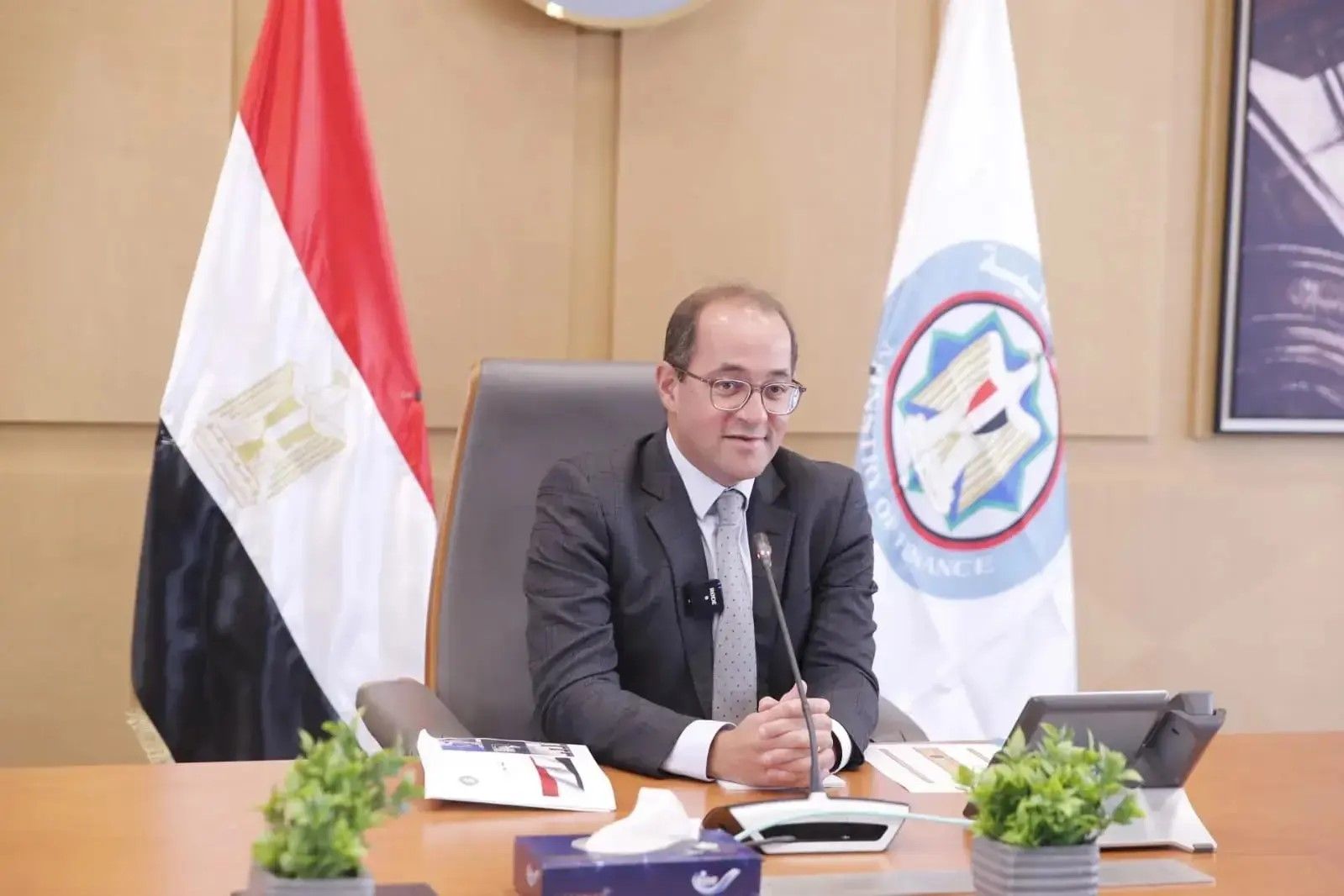
Ahmed Kouchouk, Minister of Finance, affirmed that the current priority is to secure sufficient and sustainable financial resources to meet citizens’ basic needs, highlighting continuous coordination with all state entities to ensure the availability of food commodities in markets and the security of energy supplies.
Speaking during his chairmanship of the Ministry of Finance’s Crisis Management and Risk Mitigation Committee, Kouchouk stated that the government will continue increasing spending on vital sectors that directly impact citizens’ lives, particularly health and education, while emphasizing the importance of developing new and innovative mechanisms to expand more targeted social protection programs for vulnerable groups.
He stressed that the government remains committed to its reform agenda to ensure financial and economic stability and to stimulate private sector growth, noting ongoing efforts to sustain economic activity, production, manufacturing, and exports through balanced fiscal policies that encourage investment.
The minister pointed to the continuation of the export support program, alongside the study of additional mechanisms to further stimulate the export sector. He also reaffirmed the government’s commitment to supporting the automotive industry through a range of incentives aimed at deepening local manufacturing.
Kouchouk added that the government will continue implementing tax, customs, and real estate facilitations to ease burdens on both citizens and investors, while working to enhance the efficiency of public spending and better direct financial allocations toward state priorities to achieve economic and developmental objectives.
He underscored the importance of preserving a stable economic trajectory, supported by balanced fiscal performance indicators without compromising essential expenditures, stressing the need for daily monitoring of economic developments, global trade flows, and their potential negative impacts at both local and regional levels.
The minister also confirmed continued monitoring of global market developments, international institutional forecasts, and factors influencing oil prices, while emphasizing the importance of maintaining direct and constructive engagement with global investment communities to communicate Egypt’s targeted economic measures aimed at mitigating regional repercussions.
Ahmed Abdel Razek, Permanent Undersecretary of the Ministry of Finance and rapporteur of the Crisis Management and Risk Mitigation Committee, stated that the Minister had issued a decision to form the committee, which includes various senior officials and comprises five specialized working groups. These groups are tasked with studying and analyzing the implications of the Iran war and its potential developments, assessing their impact on the Egyptian economy, the state budget, financial and energy markets, supply chains, foreign trade, and investment.
He added that the committee will develop multiple scenarios to address these challenges, propose immediate and medium-term fiscal policies to mitigate negative impacts, strengthen the resilience of the Egyptian economy in the face of global changes, and recommend the necessary measures to support economic stability and ensure the sustainability of public finances.
- وزير المالية
 Next article