
LE 20 billion more for housing, health and education in the new state budget
-
Several international bodies interested in participating in financing low-cost housing projects
Financial expert: Egypt is not facing bankruptcy and the Egyptian economy can offset repercussions of the current crisis
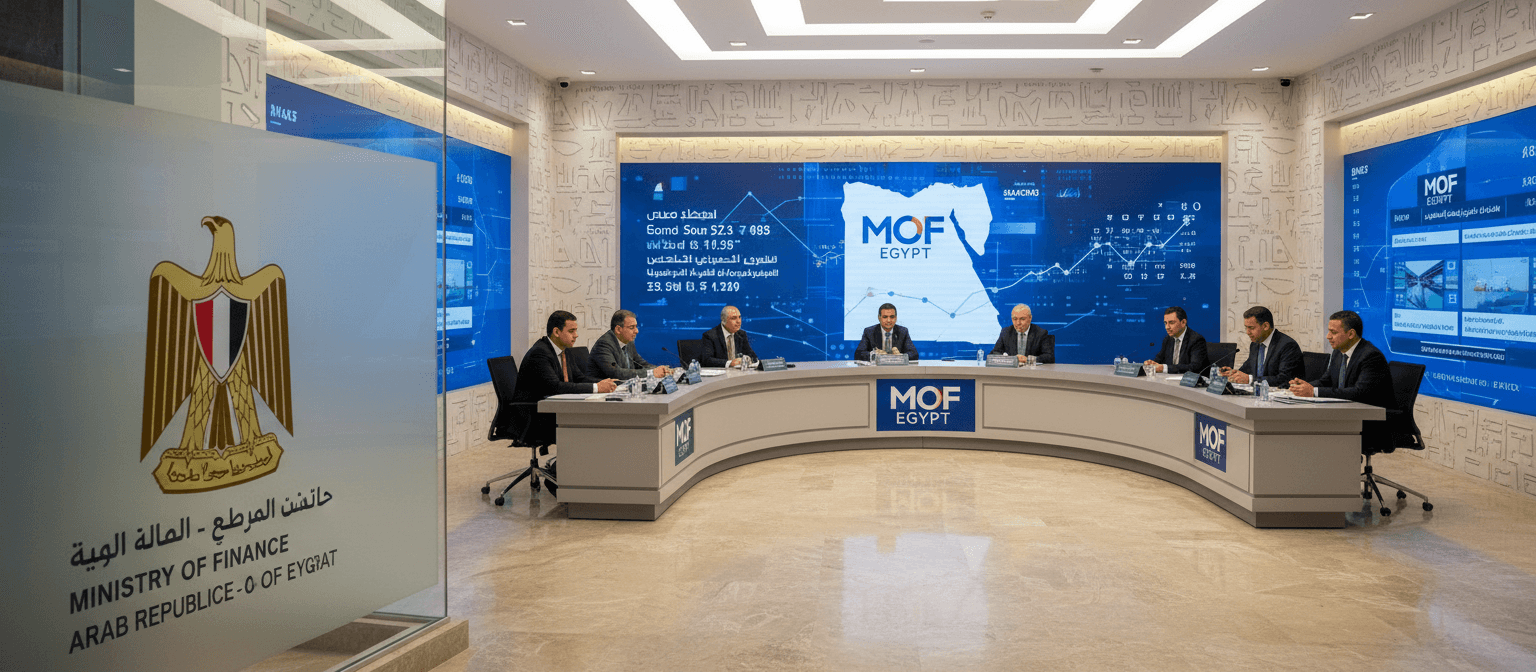
Egyptian Finance Minister, Dr. Samir Radwan, declared the investment budget of fiscal year 2011/2012 will show an increase of LE 20 billion for education, housing, health, and transport sectors. This reflects the government’s policy of augmenting financial allocations for human investment. The minister revealed that the government had four different scenarios for the volume of public spending in the new general budget to be reviewed by the Cabinet and the Egyptian society soon in order to settle on one.
The expected general budget deficit for next year, according to these scenarios and alternatives, will range between LE 155 billion and LE 185 billion which represents a ratio of total deficit to GDP of 9.9% to 11%. The expected economic growth for next year is 2.6% as compared to 3.6% this year. Expectations prior to the 25 January revolution had given a rate of 5.8% for the current year, expected to rise to 6% next year.
Dr. Radwan emphasised that subsidies for basic alimentary goods will not be changed in the new budget. These subsidies make LE 20 billion out of the LE 135 billion of the expected total public spending on subsidies in the current budget.
In the “Role of Financial Policies in Facing Economic Crises: Post 25 January Egypt” symposium, conducted by ILO in collaboration with the Egyptian Ministry of Finance, Dr. Radwan said the American delegation informed him that US President Barack Obama will declare within hours in his speech on the Middle East a batch of additional financial aids to Egypt including one billion dollars to support the public budget, another billion for spending on a number of projects, most important among which are loans for small and medium enterprises, youth employment program and poverty combating programs. The minister said he will attend with Prime Minister Dr. Essam Sharaf the meetings of the summit of the eight major industrial nations, hosted by France, next week to consider the support these nations can give to Egypt.
Saudi Arabia offered to support the Egyptian bank designated to aid small enterprises with around LE 200 million, where one public Egyptian bank finances small and medium enterprises.
The minister revealed that there is a proposal to establish a fund of LE 2 billion for unemployment benefits, providing aid to unemployed graduates and linking the aid to six-month training programs. The system will contribute to improving the skills and capabilities of the graduates in a manner that caters for the needs of the work market, giving trainees better chances to get jobs in order to reduce the rate of unemployment.
Commenting on the current performance of the Egyptian economy, the minister said the budget deficit was 8.4% at the end of last month, but it is expected to reach 9.2% by the end of this fiscal year. The volume of foreign currency reserve in the Central Bank has retreated to USD 24.9 billion.
The Ministry of Finance has prepared a number of development programs to be financed outside the general budget, such as a low-cost good-quality housing program aiming at constructing one million residential units in the next five years. An increasing interest has been shown by a number of international and regional bodies to finance the program. In addition, there is the Egypt without Poverty Program which is financed through several non-traditional mechanisms and focuses on a number of themes, including more job opportunities for the poor, enhancing the public services offered to them and developing the skills of the deprived to enable them to earn real incomes.
Meanwhile, ILO Cairo Office Chairman, Dr. Youssef Al-Qarioti emphasised the interest shown by the international organisation and its willingness to join efforts with the Egyptian government to achieve its most important objectives, namely creating more job opportunities and improving wage levels. The organisation is also willing to collaborate with all the ministries and sectors in Egypt, especially the ministries of Finance and Labour.
On the other hand, Cairo University Political Economy Associate Professor and Kuwait Ministry of Finance Comprehensive Financial Policies Unit Expert, Dr. Aballah Shehata, said Egypt is not on the brink of bankruptcy. He said the current financial crisis, although severer than previous crises witnessed by Egypt, can be offset by the Egyptian economy which has the necessary capabilities and means to overcome it.
As regards the financial policy to overcome economic crises, Dr. Shahata said he participated with ILO experts in setting a questionnaire on the financial crises and the importance of creating a financial space for the government to face these crises. The study showed the necessity of taking a number of measures for this purpose, among which are combating corruption on the central and local levels, setting a system of transparency in government purchases, increasing the ratio of taxation revenues to the GDP through a system of escalated tax rates, reforming the tax system administrative matrix to increase efficiency and combating corruption in the tax system.
 Next article