
Minister of Finance starts a societal dialogue with business organisations and economists on budget bill
-
1.9 million employees benefit from raising minimum wages and salaries to LE 700 monthly
Social security network covers 1.5 million families starting next July
LE 56 billion for education, LE 25 billion for health and LE 10 billion for the national housing project
Galal Al-Zorba: private sector will not stand against the good of the country; and wages should be linked to productivity
Moharram Helal: we welcome the imposition of an additional income tax bracket of 25%
Mona Al-Baradei: proposal to impose new taxes on real estate dealings
Sawyris: profits gained from selling companies should be taxed
Karima Karim: we welcome the training initiative; stock exchange taxes are in force worldwide
Egyptian Finance Minister, Dr. Samir Radwan, emphasised the Ministry of Finance’s efforts to engage in real dialogue on the new general state budget bill for the fiscal year 2011/2012. In the absence of the bi-camera parliament, the People’s Assembly and the Shura Council, the Ministry of Finance is planning for holding several meetings and expanded sessions with youths of the 25th January Revolution, Egyptian partisan representatives, syndicates, business organisations, commerce and industrial chambers, economic experts and other media and intellectual individuals to discuss the new budget and allow related public debate.
The new budget, the minister added, is not an ordinary one since it is a crisis-management budget which targets stimulating the Egyptian economy in the post-crisis period. It has three points of focus. First, it aims at increasing general revenues, using them to stimulate and activate the economy. Second, it aims at achieving social justice through the right usage of public spending and taxation policy. Third, it seeks to secure sustainable public spending programs.
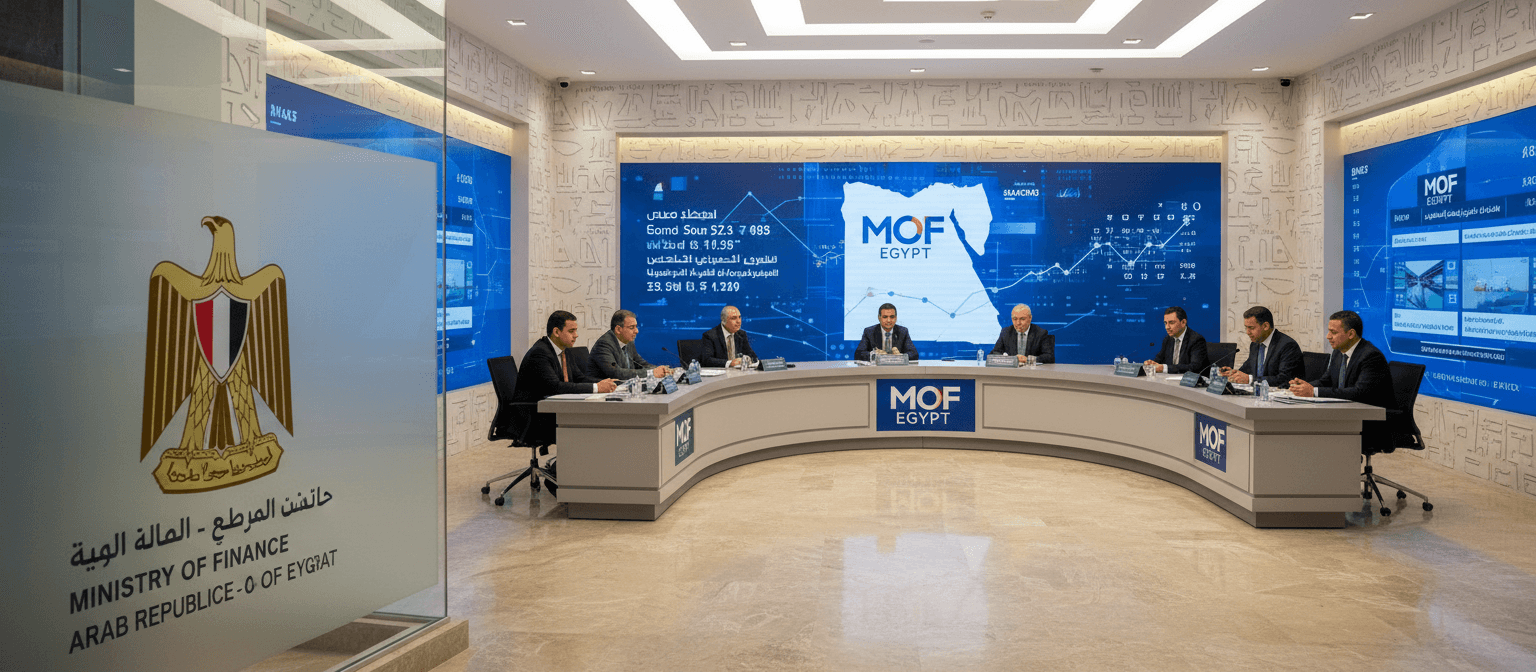
These statements and views were expressed in meetings held by the Minister of Finance with a large number of representatives of business organisations, investors and professors of economy in Egyptian universities and the Planning Institute.
In the meetings, the Minister reviewed the basic features of the budget bill which has allocated around LE 287 billion for spending on the social dimension, i.e., an increase of LE 52 billion of actual spending in the current fiscal year. The new budget includes LE 55.6 billion for education, compared to LE 48.6 billion currently, which means a rise of 14%. It also includes around LE 25 billion for health, compared to LE 20.9 billion in the current fiscal year, a 19% increase.
The social aspect allocations also include LE 138 billion in subsidies of alimentary goods and petroleum products, an increase of LE 27.5 billion over the current year, a growth of 24%. Allocation to support the social security and pension system are up to LE 40.5 billion, i.e., a rise of LE 10.4 billion compared to the current value, a 34% increase.
Youth, culture and religious affairs enjoy a rise in budget allocations, setting the value at LE 16 billion, i.e., LE 1.8 billion increase over the current year. A new addition is the introduction of LE 10 billion in the new budget for the National Social Housing Project. In addition, housing programs for the limited income brackets get an additional LE 500 million to make the value LE 1.5 billion, a growth rate of 50%. Additionally, the budget allocates LE 790 million to subsidise interests on loans granted to housing projects.
Dr. Radwan stated that the features of the new general budget also include new programs, such as allocating LE 7.5 billion to reform the structure of wages and salaries of the administrative system personnel to finance the new minimum limit of wages of a monthly LE 700, an increase of 66%, which will be for the benefit of 1.9 million employees who are now at the sixth degree rank. The other higher ranks of the structure will also be moved by the same value rather than rate. The minimum has been raised by of LE 278, aiming at reducing the gap between the different ranks. New taxation measures will also affect the wages positively. The minimum limit for paying income taxes is raised from LE 9,000 to LE 12,000.
The wages and salaries raise will be for the benefit of all workers in the state administrative system, 6.2 million. This increase, together with the social raise approved last April at 15%, will raise spending volume on wages and salaries to LE 116.5 billion, at 15%, in the new budget.
Starting next July, the social security network will expand to include 1.5 million families as the allocation for social security pension is raised by an additional LE 1,133 million to LE 2,733 million, at 71% increase over the current year. Facing the problem of unemployment, the minister said the new budget will allocate LE 2 billion for training through the introduction of a new system which engages the trainees into the actual work of factories and companies, bearing the greater part of the cost of training. The system also provides agreements with these factories and companies to offer jobs to the trainees on completion of the training programs.
One of the most important aspects of the new budget is spending more on government investment especially in the principal sectors; the increase amounts to LE 55.9 billion.
The Finance Minister said accomplishing social justice may not frustrate investors as the new tax bracket of 25% is imposed on companies and individuals whose incomes are in excess of LE 10 million annually. There is a rise in tax rates on cigarettes, local and imported, at 10% annually to fix the final rate at 50% which will make available LE 1.2 billion for the state tax revenues.
Egyptian Industries Union Chairman, Galal Al-Zorba, expressed the acceptance of industrialists of the increase in the tax rate, saying the private sector will not stand against the good of Egypt. He emphasised the necessity of agreement of all parties on the policies and targets which serve the interests of the society in the coming period.
He asked the government to declare a clear policy on energy, whether the government will allow importing electricity and petroleum products, and how these transactions will be organised. In the case of allowing imports, the measures of setting a matrix of rules concerning allowing the private sector to provide energy requirements to industrial projects may take three years.
Concerning export support, Al-Zorba said the current system focuses on subsidising Egyptian products directly to improve our competitiveness abroad, which is the policy applied around the world by countries which adopt supporting exports. China, India and Pakistan, for instance, subsidise their rate of currency exchange. As regards raising the wage structure ranks, Al-Zorba called for linking raising wages to productivity of the Egyptian worker, which is around 50% of that of his counterpart in Eastern Asia.
The Arab German Commerce & Industry Chamber Chairman, Naguib Sawyris, suggested cancelling the tax exemption given to Egyptian companies for their offshore profits gained from selling their affiliated companies.
Tenth of Ramadan Investors Society Chairman, Moharram Helel, said great efforts were being made in preparing the budget in these difficult times. He said he investors welcome the 25% tax imposed on profits. He called for reconsidering the volume of subsidies granted petroleum products, especially kerosene and butane gas. There should be new rationalising measures to limit subsidies to those in real need of aid. He also has conducted studies on the subject.
Political Science Dean, Dr Mona Al-Baradei, hailed the efforts of the Finance Minister in compiling the budget bill to stimulate the Egyptian economy. She added a new aspect that can augment the revenues of the state which is imposing a tax on real estate dealings instead of the tax on capital gains which can have an adverse effect on private investments.
As regards exports subsidies, which have been reduced by around LE 1.5 billion compared to the current value, she called for higher interests in indirect support of exports, hailing the Finance Minister’s initiative of allocating LE 2 billon for training programs for the young.
Hermes Group Director General, Yasser Mallawani mentioned that as technology contributed to the 25 Jan. Revolution, it can also provide the practical solutions to start moving away from in-kind subsidies to monetary subsidies to limit the leakage of subsidies to the rich who are not targeted by these programs. This will reduce the bill of subsidies which is expected to exceed LE 137 billion next year.
Dr Lobna Abdel Latif, Head of the Economics Department, at the Faculty of political Science, Cairo University, asserted that the new general budget is no more a list of figures; it is rather an important political and social document since it comes in an open atmosphere of comprehensive transparency and debate. Everything can be discussed and objected to. The government has to make use of this chance to bring forth a real change in the pattern of thinking of the society on essential issues such as wages, productivity and subsidies.
Azhar University Economics Professor, Karima Karim, praised the Minister of Finance's initiative of linking unemployment aid to training and real job opportunities. She called for making the trainee bear part of the training cost of to insure serious engagement. As regards taxes on dividends, she said the system is in force worldwide in countries that have stock exchanges, including the West.
Cairo University Economics Professor, Mona Al-Garf, said the new budget bill displays an excess of spending to achieve social justice. As for the public investments which benefit from a great increase in spending, she called for the careful selection of the fields and sectors which provide more opportunities.
Cairo University Economics Professor, Ahmed Ghoneim, referred to the necessity of activating the former prime minister's decree cancelling subsidies on energy sources on the industries which consume excessive amounts of energy by putting in force the provisions of the second and third brackets of the decree.
 Next article