
Radwan: Reforming wages and salary structure is currently tops Priorities of Egyptian government
-
Tax reform package to be declared soon to support wage and salary policies to achieve social justice
Ahmed Al-Boraee: workshop opens a series of meetings on social debate on wages
ILO officials: Salary Reform arises from dialogue of government, entrepreneurs and unions
Reforming wage and salary structure is currently of top priority for the Egyptian government, according to Finance Minister, Dr. Samir Radwan. The government is keen to conduct real dialogue on wage and salary structure together with the minimum wage limit between the two parties to the work contract: entrepreneurs and workers' representatives.
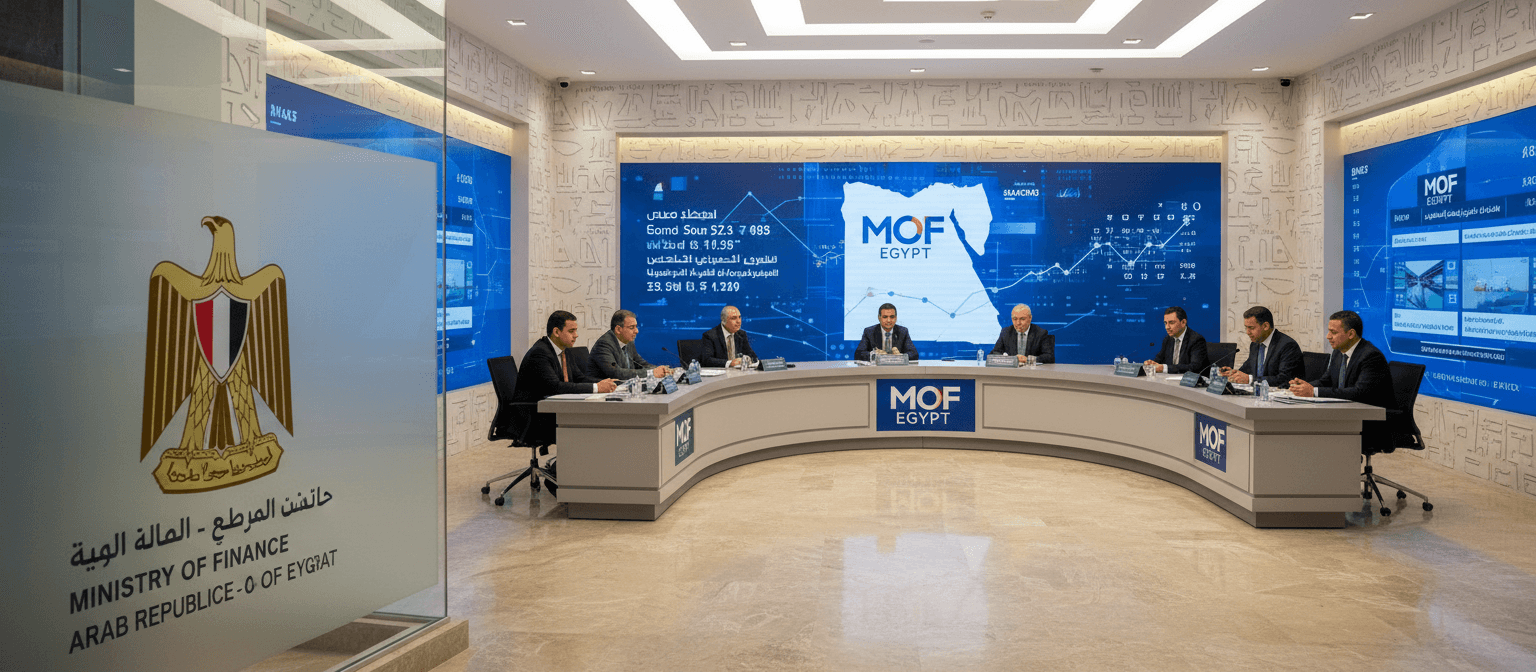
The minister presented the government’s view while inaugurating the “Active Policies for Viable Minimum Wages in Egypt” workshop organised by the Ministry of Finance in collaboration with International Labour Organisation (ILO). Participating in the workshop were Minister of Manpower and Immigration, Dr. Ahmed Al-Boraee; Central Agency for Organisation and Administration Chairman, Dr. Safwat Al-Nahas; ILO experts; representatives of the ministries of finance, manpower, planning and international cooperation and social security; representatives of the Egyptian industrial unions and commerce chambers, and labour unions, in addition to several experts.
Dr. Radwan added that the workshop participants agreed on a number of essential issues, most important among which are determining a minimum value of wages that ensures decent living for the Egyptian family; the limit will be periodically reassessed and linked to productivity and living standards.
Discussing the wage question, the minster asserted, should not be reduced to the minimum wage issue, which affects around 3.2% of the Egyptian manpower; it should rather embrace as well the wage structure as a whole. The minimum wage is one input in the large matrix of social justice which includes taxation policies, social welfare, in addition to employment, education and training polices.
A number of essential issues, to be taken in consideration when reviewing the wage structure, were agreed upon by the workshop participants. Most important among these issues is setting the minimum value limit determinants, such as data of wage levels and how they are linked to the poverty line which should be regularly and promptly updated. Another issue to be considered is how to cater for the special needs of small and middle-size establishments since they are among the venues which create most job opportunities in different communities.
The minister agreed to hold more meetings for further discussion of a number of issues raised in the workshop, such as whether the minimum discussed should be imposed by passing a law or through collective negotiations. Moreover, it is important to study the correlation between raising the limit and the resultant burden to be incurred by the general state budget, including a hike in the cost of social security and pensions to be borne by the state exchequer.
The participants agreed as well on the importance of linking the minimum to both productivity and inflation. China, for example, links wages to the productivity of the worker, giving incentives to increase it. Thus, the productivity of the Chinese worker is triple that of his Egyptian counterpart, giving Chinese products better competitiveness in Egypt.
Furthermore, the participants noted that setting a viable wage minimum should not prevent entrepreneurs from providing more job opportunities, badly needed by the Egyptian economy.
The business community and the honest entrepreneurs are the pivot of the Egyptian economy; the unjustified accusations and attacks against the private sector aim at disintegrating the Egyptian society, which neither the government nor the Military Council will allow, said Finance Minister, Dr. Radwan. He called on citizens to unite and work together in this difficult time to protect Egyptian interests and economy.
The experts raised the issue of the necessity of a batch of economic policies to support the wage minimum rise, such as social welfare aid, taxation policies, and training and productivity-raising policies.
The minister revealed that the ministry is currently studying a batch of tax reforms to help enable the wage minimum to achieve social justice. The study results will be declared soon.
Meanwhile, Manpower and Immigration Minister, Ahmed Al-Boraee, said that this workshop was the first in a long series of sessions and meetings planned by the government with the participation of representatives of workers, employers, and experts to ensure achieving a societal agreement on wage and salary issues. This will secure commitment to implementing all decisions to be agreed upon.
ILO Egypt and North Africa Office General Manager, Youssef Al-Qaryouti, said the ILO role is to offer counsel and technical aid. The wage structure policies are part of the interaction between social security policies and economy-supporting policies. Reforming the wage minimum is the starting point which should also be based on a tripartite debate involving the government, entrepreneurs and workers.
Manuela Tomei, director of the ILO's Conditions of Work and Employment Programme discussed a number of mechanisms used to determine the minimum wages around the world. The minimum wage of the worker is the total wage, allowances and incentives obtained and not simply the basic wage. This requires determining the elements of the wage batch which will include the minimum level in addition to the number of working hours.
Concerning the factors to be considered when determining the minimum value, Ms. Tomei said they include the needs of the workers and their families, considering the general level of wages in the relevant country, the cost of living, social security aid, and the standard of living of the other social brackets, in addition to economic factors including the requirements of economic development, productivity levels, and the desire to have a higher vocational level.
Ministry of Finance Counsellor and Wage Reform Ministerial Committee Co-ordinator, Abdel Fattah Al-Gibali stated that the workshop aimed at tackling all issues relevant to wages, with the purpose of setting a comprehensive system of wages which takes into consideration all the different dimensions of the issue together with establishing scientific and practical criteria for the Egyptian wage policies.
Ministry of Finance Assistant, Amina Ghanem, noted that the workshop discussed as well the necessity of creating mechanisms to determine the minimum level of wages, including the means to activate the National Council of Wages in a manner that would make it the basic effective mechanism in this area. This should work according to the scientific standards and determinants. Ghanem asserted that the minimum value can be increased through collective negotiations within each sector. Proposals to strike balance between minimum and maximum limits were also discussed, she added.
(Source:Ministry of Finance)
 Next article