
Finance Minister in Meeting with Social Media Influencers: Expanding Egypt’s economic, productive, export, tax, and customs base by incentivising private sector growth
“The least we can do for our taxpayer partners is to provide easy and high-quality tax services”
Community dialogue on tax facilitation is not symbolic: “We listen carefully and benefit from all ideas and proposals”
“All proposed measures in the second tax facilitation initiative originally came from the business community”
“The Egyptian Tax Authority is leading the current reform, and we fully support them — this is reassuring”
Executive and incentive-based mechanisms are being put in place to follow up on tax facilitation measures and ensure effective implementation on the ground
Strong investment in technology and artificial intelligence to facilitate services for citizens and investors
Working to enhance tax certainty for investors to encourage business expansion and increased investment
Responsiveness and trust from our taxpayer partners are the greatest gains of the first tax facilitation package — and they place a major responsibility on us
Independent and neutral entities contracted to assess the results of the first tax facilitation initiative from the service recipients’ perspective
Establishing customer service departments within the Tax Authority to continuously improve performance and service quality
“I am very happy when signing tax reconciliation files — we aim to strengthen trust and partnership with the business community”
Launch of the second tax facilitation package during the current fiscal year, offering multiple incentives for compliant partners
Effective partnerships with the Ministry of Communications and the Micro, Small and Medium Enterprises Development Agency to facilitate access to the simplified tax system
Low-cost financing for the first 100,000 voluntary entrants to the simplified tax system: “We want our partners to grow and succeed”
A “Taxpayer Excellence Card” offering tax and non-tax incentives for distinguished taxpayers
Stamp duty tax to replace capital gains tax, alongside other incentives to boost trading and investment in the Egyptian Exchange
Eliminating double taxation between holding companies and their subsidiaries operating in Egypt
A mobile application for real estate transactions, with the tax remaining at 2.5% of the sale value regardless of the number of units
Accelerating and simplifying VAT refund procedures, with offsetting against credit balances permitted
Reducing VAT on medical devices from 14% to 5% in parallel with expanding the comprehensive health insurance system
Renewal of the tax dispute resolution law and development of appeal mechanisms to promote amicable settlement
Three advanced tax centres through which e-Tax will deliver premium services
Optimal and flexible use of the electronic tax database for accurate and rapid analysis
Ten incentives and benefits under the real estate tax facilitation package, alongside a mobile app providing all tax services
Creating greater fiscal space to improve citizens’ living standards and support economic activity
Linking financial and economic incentives to clear performance indicators, with immediate disbursement upon achievement
Achieving a significant and impactful reduction in debt indicators through resource development, economic growth, fiscal discipline, and the use of financing tools and exceptional revenues
“We pay attention to every word and proposal circulating — and we are already implementing a large portion of them”
Budget sector debt-to-GDP declined by 12% over two years, while the average ratio in emerging markets increased by 9%
External debt of budget sector entities fell by around USD 4 billion over two years
IMF reviews concluded successfully, confirming that the Egyptian economy is moving in the right direction
Fourteen structural reforms implemented under the IMF-supported reform programme, demonstrating the government’s seriousness in stimulating economic activity and the private sector
Working with the Minister of Investment on 30 measures to reduce customs clearance time and cost, support national industry, and combat smuggling
Ahmed Kouchouk, Minister of Finance, affirmed that the government is working to expand Egypt’s economic, productive, export, tax, and customs base by incentivising private sector growth, stating: “The least we can do for our taxpayer partners is to provide easy and high-quality tax services.”
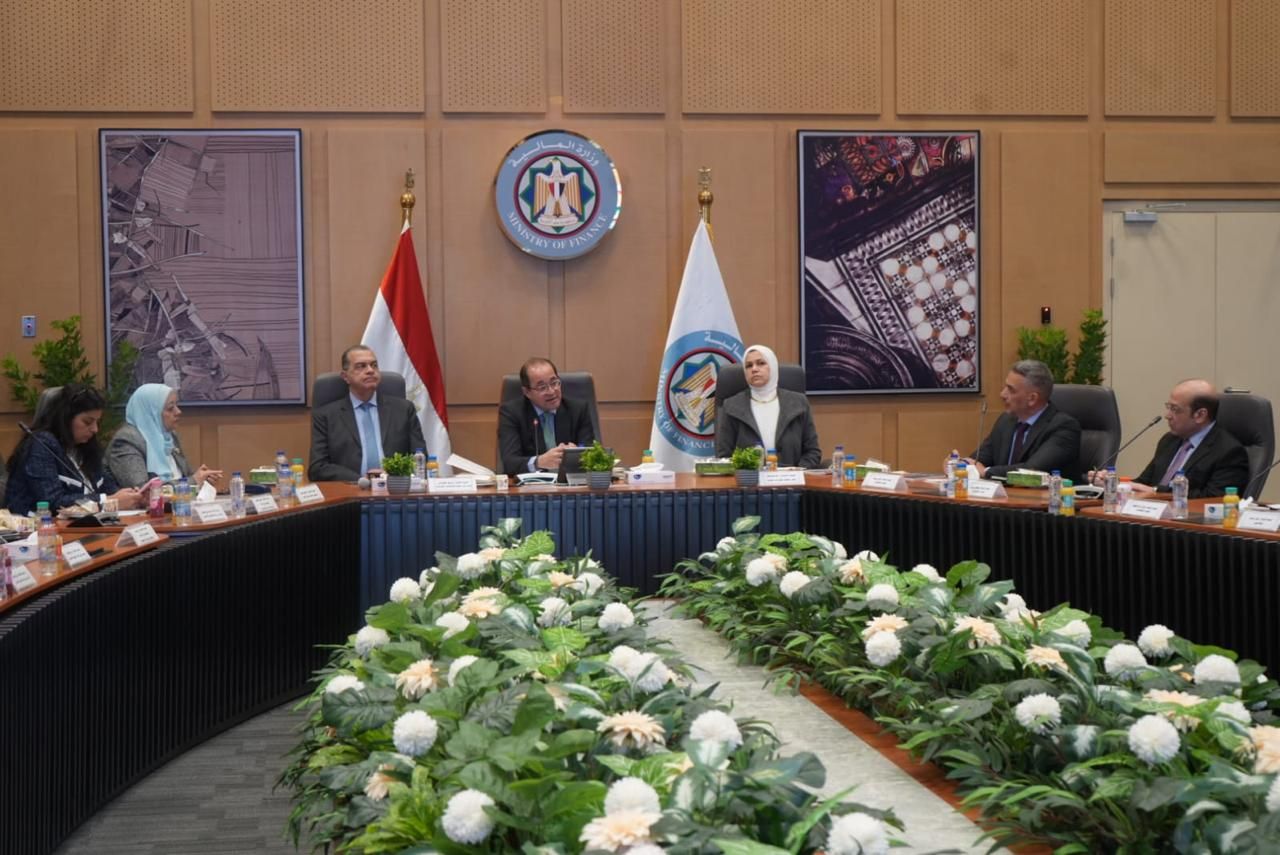
During his meeting with social media influencers, the Minister stressed that community dialogue on tax facilitation is not merely symbolic, noting that the government listens carefully to all ideas and proposals.
He added that all measures included in the second tax facilitation initiative were originally proposed by the business community, saying: “The Egyptian Tax Authority is leading the current reform, and we stand firmly behind them — this is reassuring.”
Kouchouk explained that the Ministry has put in place executive and incentive-based mechanisms to monitor the implementation of tax facilitation measures and ensure tangible results on the ground.
He added that the government is investing heavily in technological tools and artificial intelligence to simplify procedures for citizens and investors.
The Minister said efforts are underway to enhance tax certainty for investors to encourage business expansion and increased capital inflows, noting that the responsiveness and trust of taxpayer partners represent the greatest achievement of the first tax facilitation package, while also placing a significant responsibility on the Ministry.
He pointed out that neutral and independent institutions have been contracted to assess the outcomes of the first tax facilitation initiative from the perspective of service recipients.
He also announced the establishment of customer service departments within the Tax Authority to raise performance standards and continuously improve service quality, adding: “I am very pleased when signing tax reconciliation files — we aim to strengthen trust and partnership with the business community.”
Kouchouk said the second package of tax facilitation measures will be rolled out during the current fiscal year, offering multiple incentives for compliant taxpayers.
He highlighted effective partnerships with the Ministry of Communications and the MSME Development Agency to facilitate access to the simplified tax system.
He confirmed that low-cost financing will be made available to the first 100,000 taxpayers who voluntarily join the simplified tax system, saying: “Our goal is for our partners to grow and succeed.”
He added that the second package includes a Taxpayer Excellence Card offering tax and non-tax incentives, the introduction of a stamp duty tax instead of capital gains tax to stimulate stock market trading and investment, and measures to prevent double taxation between holding companies and their subsidiaries in Egypt.
The Minister announced the launch of a mobile application for real estate transactions to facilitate compliance, confirming that the real estate transaction tax remains unchanged at 2.5% of the sale value regardless of the number of units.
He also noted plans to accelerate and simplify VAT refund procedures, allow offsetting against credit balances, reduce VAT on medical devices from 14% to 5% in line with the expansion of the universal health insurance system, renew the tax dispute resolution law, and develop appeal mechanisms to promote amicable settlement.
Kouchouk added that the Ministry aims to optimise the use of the electronic tax database in a flexible and efficient manner to enable accurate and rapid analysis.
He also announced the establishment of three advanced tax centres through which e-Tax will provide premium tax services.
He confirmed the introduction of ten incentives under the real estate tax facilitation package, alongside a mobile application offering comprehensive tax services to ease procedures for citizens.
The Minister said the government is working to create greater fiscal space to improve living standards and support economic activity, while linking financial and economic incentives to clear performance indicators to ensure immediate disbursement upon achieving targets.
He concluded by stressing ongoing efforts to achieve a significant and impactful reduction in debt indicators through resource development, economic growth, fiscal discipline, and the use of financing tools and exceptional revenues, stating: “We care about every word and proposal being discussed — and we are already implementing a large portion of them.”
Kouchouk noted that budget sector debt-to-GDP declined by around 12% over the past two years, while the average ratio in emerging markets rose by 9%. He added that external debt of budget sector entities decreased by approximately USD 4 billion during the same period.
He confirmed that reviews with the International Monetary Fund (IMF) were completed successfully, underscoring that Egypt’s economy is moving in the right direction.
He noted that 14 structural reforms have been implemented under the IMF-supported reform programme, demonstrating the government’s seriousness in stimulating economic activity and empowering the private sector.
He also said the Ministry is working with the Minister of Investment on 30 measures aimed at reducing customs clearance time and cost, supporting domestic industry, and curbing smuggling.
 |
 |
 |
- وزير المالية
 Next article