“We work in the service of the people — our mission is to make their lives better,” Kouchouk said, stressing the importance of deepening communication across all levels to exchange ideas and strengthen teamwork.
He explained that four key fiscal policy priorities form the foundation for strong and positive impacts on Egypt’s economy, the business community, and citizens’ lives: sustaining macroeconomic stability, supporting private sector growth, ensuring social justice, and investing in human development.
Kouchouk affirmed that the ministry is committed to building trust and partnership with the private sector and the public through ongoing reform and simplification measures, ensuring that fiscal policy plays a broader and more impactful role in driving economic activity beyond traditional stability indicators.
He noted that efforts are underway to reduce public debt, improve its indicators, and create fiscal space for increased spending on health and education, in addition to supporting other ministries in delivering better-quality services to citizens and investors.
Deputy Minister for Financial Policies Yasser Sobhi highlighted that precise prioritization is the key to the success of any fiscal and economic policy, emphasizing the ministry’s balance between economic and social objectives.
Deputy Minister for Tax Policies Sherif Kilany stated that Egypt’s tax and customs reform path reflects a deeper, more advanced strategic vision, with tangible progress achieved through the latest facilitation measures.
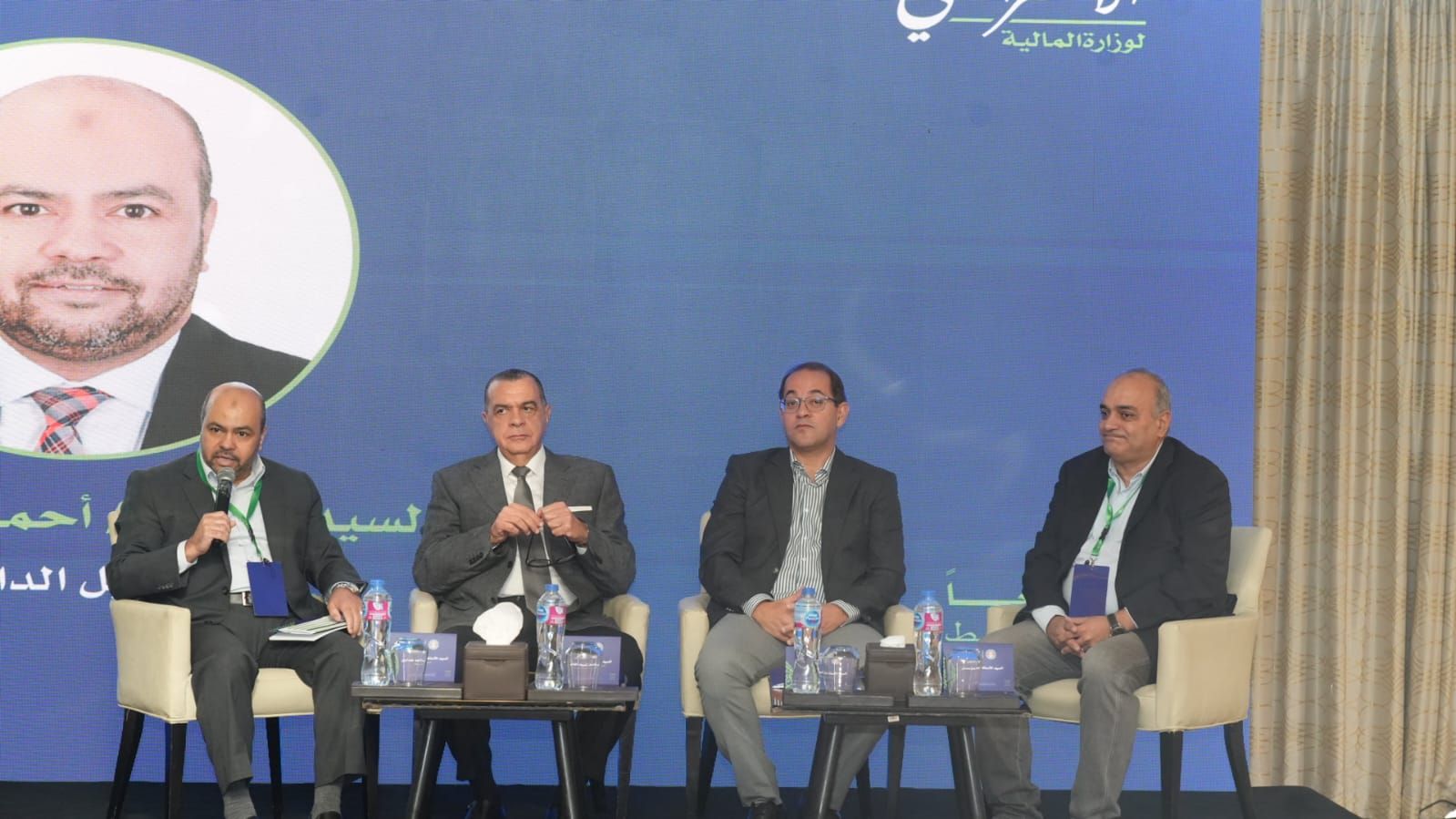
Permanent Undersecretary Ahmed Abdel Razek added that the ministry is updating its strategic plan to align more closely with national fiscal priorities, while Dalia Fouad, Director General of Monitoring and Evaluation, noted that empowering staff for strategic planning remains central to achieving objectives as one team.
Mohamed Omar, CEO of Cortex, concluded that the company is working closely with the Ministry of Finance to translate the strategic plan into actionable programs with clearly defined targets.




 Next article