

Radwan: Employment and Wage Program is 100% Egyptian
-
Social Justice and linking efficiency to productivity two pivotal points in the new structure
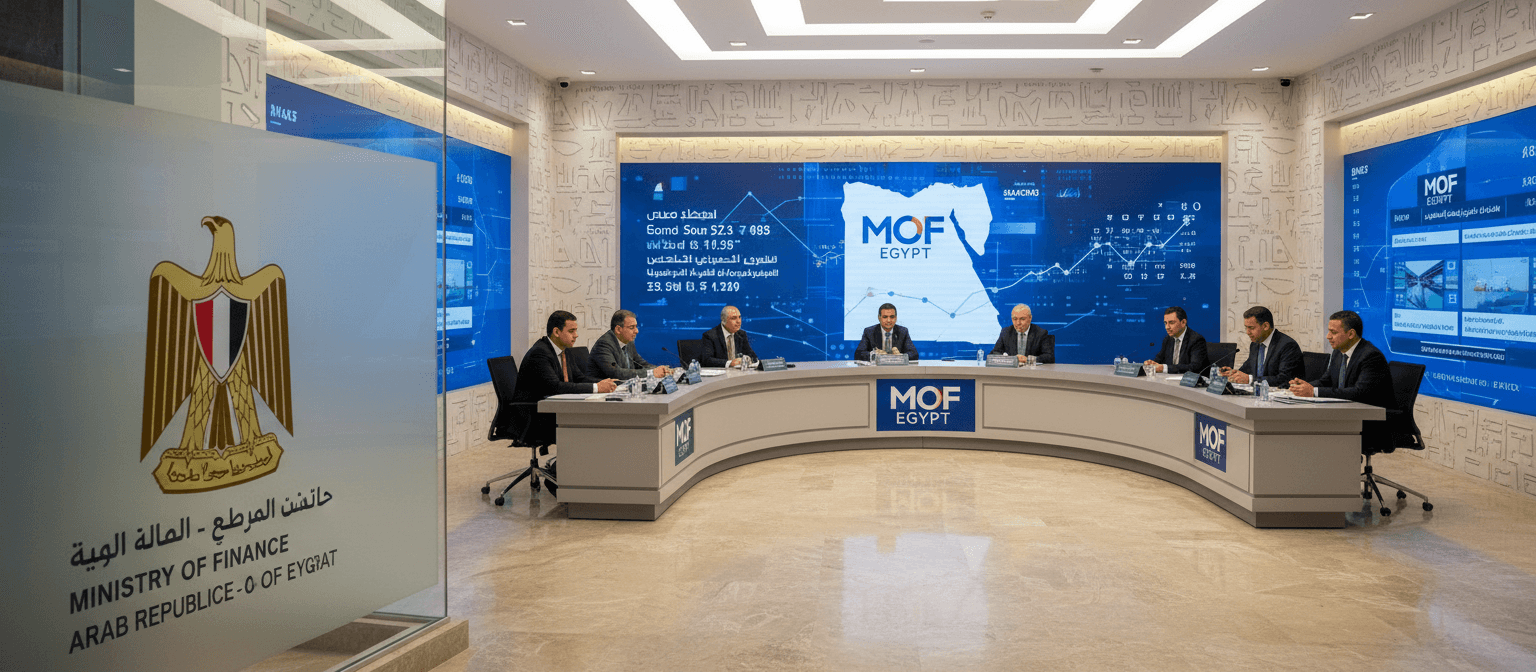
Within the framework of the National Employment Program adopted by the Egyptian government, Egyptian Finance Minister, Dr. Samir Radwan, held a joint meeting with representatives of the International Labour Organisation (ILO) which was also attended by ministers of Manpower and Solidarity & Social Justice.
The meeting discussed the means with which Egypt could benefit from the experiences of a number of countries concerning systems of employment and wages. The wages file is currently being comprehensively reviewed, to decide minimum and maximum limits in addition to the different levels of wages and salaries with the purpose of achieving two major goals: linking efficiency to productivity and accomplishing social justice, according to Dr Radwan.
The employment and wages program is, the minister asserts, 100% Egyptian. Additionally, ILO expertise gained from relevant experiences of several nations, e.g. Brazil, Chile, Britain, Malaysia, and India, will also be tapped. The government is keen to distribute wages and salaries according to efficiency and exertion to achieve equality and justice.
Reviewing the wage structure in Egypt is one of the major demands of the 25th January Revolution which was described by Dr. Radwan as a legitimate and fair demand. Thus, it has to find a positive response, in contrast with the neglect and dismissal of past years.
Implementing a new wage structure will create social stability by protecting the low-income brackets. The experiences of other countries that managed to achieve a balanced wage structure will be reviewed and discussed to adopt whichever elements that suit the Egyptian conditions. The Ministry of Finance will continue to discuss this important technique in an expanded session in the form of a workshop involving seven ministers and representatives of the General Union of the Commerce Chambers, the General Union of Tourist Chambers, the General Union of Building and Construction Contractors, and the General Union of the Egyptian Industries in addition to a number of labour unions and syndicates.
(Source:Ministry of Finance)
 Next article